
Longevity clinics and procedures are on the rise in Europe and elsewhere – could insurance reimbursement alleviate some of the sector’s growing pains?
The concept of longevity is often correlated with life without death, but in practice it is more focussed on life without disease. Preventative medicine is strongly associated with Longevity science and Gerontology. Longevity clinics have exactly this mission of early detection and prevention, some sitting more on a medical end and some on a wellness end. This sector is booming with an estimated CAGR of 10 – 12% but clinics face many regulatory and commercial challenges as growing pains. Could private insurers stepping in to offer reimbursement help alleviate some of these growing pains and bridge the sector's disconnect with public health?
LONGEVITYPUBLIC HEALTHHEALTHCARE REGULATIONHEALTHCARE INNOVATIONMEDICAL INSURANCE
Irene Petre
7/7/202612 min read
Where does the concept of "longevity clinic" come from?
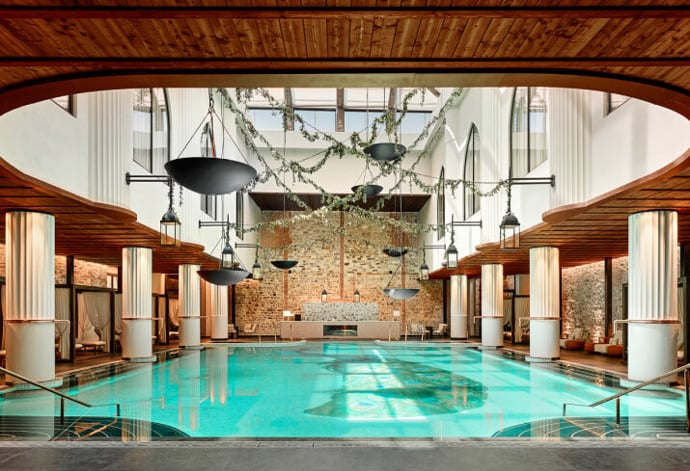
The pioneers in this field seem to be Clinique La Prairie in Montreux, Switzerland, founded by Dr. Paul Niehans in 1931 and the Institute of Gerontology and Geriatrics in Romania founded by Dr. Ana Aslan in 1952. While Dr. Aslan was the godmother of geroscience and "anti-aging", Dr. Metchnikoff introduced the word "gerontology" to describe the scientific study of aging in 1903 and Dr. Marjory Warren in the UK was the "mother of geriatrics" who advocated for elderly care as a distinct type of healthcare and founded the British Geriatrics Society in 1947.
Dr. Niehans pioneered "cellular therapy," injecting patients (including Winston Churchill and Marilyn Monroe) with fresh animal cells to trigger systemic rejuvenation, being the first institution that seemed dedicated entirely to reversing aging. Today it is considered perhaps the world’s most prestigious longevity resort. It is famous for its proprietary cellular genomic revitalisation programs and intensive internal detoxification.
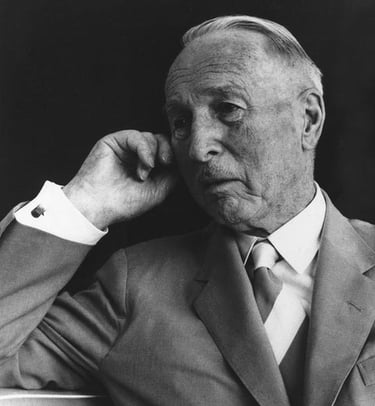
Dr. Ana Aslan pioneered a concept she called "gerontoprophylaxis"— the scientific biological prevention of aging before major physical degeneration occurs and she argued that aging was a treatable biological process. She also supported the idea of combining high-end diagnostics with a wellness hotel atmosphere and in 1974 she opened the first Geriatric Hotel Clinics along the Romanian Black Sea coast. During the 1960s, 70s and early 80s her clinics attracted ultra-exclusive clients such as John F. Kennedy, Charles de Gaulle, Salvador Dalí, Charlie Chaplin, Marlene Dietrich, Indira Gandhi and others. After Dr. Aslan’s death and due to economic and political instability in the country, the institute suffered from neglect and lack of funding and it fell out of the international luxury spotlight.
Internationally there was a rise of Geroscience in the early 2000s, the field moving from largely unregulated "anti-aging" wellness spas focused on aesthetics and hormone replacement to a more rigorous science focussed Longevity Medicine concept, helped by advances in Biotechnology such as epigenetic aging clocks and multi-omics profiling (1). Several scientists say that longevity means resilience of the immune system and talk about innate immunity, adaptive immunity , cross-reactive immunity (2) and our ability to develop "immunitary resilience" to inflammaging.
Also in the last 10 – 15 years there was a strong influence from transhumanist concepts and advocates from places like the Silicon Valley. Massive investments into longevity biotech (like Google-backed Calico Labs) are transitioning some technologies and treatments from experimental to consumer-facing, with both positive and negative consequences for society.
How large is this market?
There are many market research providers trying to put a figure on the value of this growing but unregulated market – if we do not include a large part of the market represented by the wellness and spa related longevity treatments and focus solely on the more medically focussed procedures, the market is likely to sit around USD 2,5 – 3bn globally in 2026. If we include the vast and lucrative wellness segment, then the total global market is likely to be around USD 5,5 – 6bn in 2026. Most researchers agree the longevity clinic market is growing at double digits, around 10 – 12% CAGR yearly, meaning by 2030 could be worth around USD 10bn.
Unsurprisingly North America is considered the largest region in this market and Asia Pacific is expected to be the fastest growing. Europe may represent only about 10 – 12% of the global market, at around USD 650m today but it is expected to more than double by 2036.
The most representative countries in Europe in Longevity science and clinics are the UK, Switzerland and Germany. In the UK for example there are over 50 different Longevity Clinics and many embrace a more science and data driven approach compared to their continental peers, that tend to focus a lot more on wellness and retreat concepts.
How about challenges?
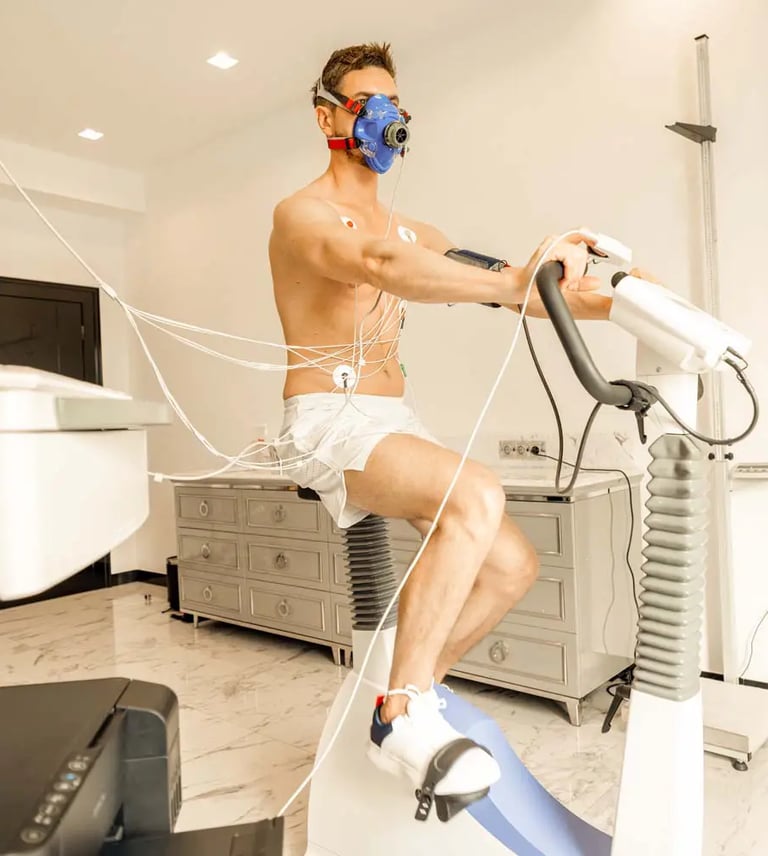
The landscape of European longevity medicine has shifted dramatically toward precision diagnostics, data-driven disease prevention, and cellular therapies including stem cells and NAD+ infusions (3) . Clinics are moving away from surface-level wellness trends to focus heavily on foundational biology, including nervous system health and muscle mass preservation.
Although consumer demand is booming, the sector is facing severe operational, technological, financial and regulatory headwings.
The first issue is that there is a lack of clinical standardisation and consensus, both in Europe and globally, of what represents “longevity medicine” or a “longevity clinic” (4, 5) – some of the therapies offered (like off-label Metformin, Rapamycin, systemic exosome infusions or senolytics) lack large-scale, double-blind, placebo-controlled human data trials to prove they extend human healthspan although researchers in the US and other countries are planning large trials (6, 7). Additionally there is still some biomarker and AI algorithm volatility – different AI tools and different genomic tests can produce wildly different results based on the lab and AI provider used, making it difficult to prove a certain therapy or type of diagnostic work consistently across the board.
Another linked challenge is high regulatory and legal friction related to off-label prescribing, compound restrictions, strict IV therapy and injectable rules, new medtech adoption, significant data privacy risks and many restrictions around scientific claims and marketing, especially in Europe.
Many longevity protocols rely on prescribing existing pharmaceuticals (such as Metformin, Rapamycin, or GLP-1 agonists) "off-label" to slow aging biomarkers rather than treat a specific disease and while the European Court of Justice allows off-label prescribing, some individual EU member states restrict it heavily (8). Additionally, European regulations limit custom compounds, making it difficult to create bespoke peptide or hormone combinations (9). In terms of anti-aging cosmetics and cosmeceuticals, EU Regulation 1223/2009 prohibits many cell rejuvenation claims.
Regarding IV therapy (like NAD+ or vitamin drips) - European regulatory bodies classify high-dose vitamins and biological compounds administered intravenously as medicinal products, which means clinics must operate under strict outpatient surgery or specialised medical facility licenses to legally offer IV therapies.
European longevity centers rely heavily on proprietary multi-omics panels, biological aging clocks and advanced scanning tech, which fall under the EU Medical Device Regulation (MDR), In Vitro Diagnostic Regulation (IVDR) and under a double compliance layer, the EU AI Act (software and biological age modelling). Clinics cannot manufacture or modify their own genomic or biomarker tests if a CE-marked equivalent is commercially available on the market.
Also clinics using high-risk legacy diagnostic tools (such as advanced cancer screening tools classified as Class C or D under IVDR) face severe timelines. If their hardware or software suppliers fail to secure updated Conformity Assessments before the final staggered deadlines (2027–2029), clinics lose the legal right to buy, sell, or utilise those specific tools.
But the elephant in the room is the patient data privacy and the “right to know” (informed consent) – although EU has pioneered this with GDPR rules, other states in the US and China are catching up, for example Washington with My Health My Data Act (requires explicit opt-in consent to collect or share consumer health data, allows citizens to sue directly), China with its Personal Information Protection Law (PIPL) (10) and its Human Genetic Resources Law (which states that patient genomic data or clinical biological samples require strict written patient consent and a state level ethical review). Under EU regulations genetic and biomarker data require the highest level of encryption, consent, and secure storage, creating massive administrative burdens for data-first clinics. Not all clinics have the knowledge and budgets to comply and often informed consent is not that informative - patients fail to understand long term implications of their data sharing or risks associated with some therapies such as digital therapeutics or experimental biologic drugs. Some of the medical devices used by clinics have their own patient data storage and analysis protocols, which further complicates matters for their providers (the clinics).
Regulatory and legal friction may be the biggest challenge, but not the only one. From an operational point of view, because of socioeconomic exclusivity of many longevity clinics and spas, commercial scalability becomes an issue – prohibitive pricing barriers (some European spas and clinics charge EUR 20k – 50k per week or for a few session package) mean there is a public health disconnect. Some clinics will not be able to grow their customer base or retain it due to very high customer acquisition and retention costs, especially in the HNW (High Net Worth) segment. This means some facilities risk being stuck with niche HNW customers they fail to retain longer term, while at the same time failing to capture the wide but less affluent socioeconomic segments, that typically suffer more from chronic diseases and who would significantly benefit from certain longevity interventions.
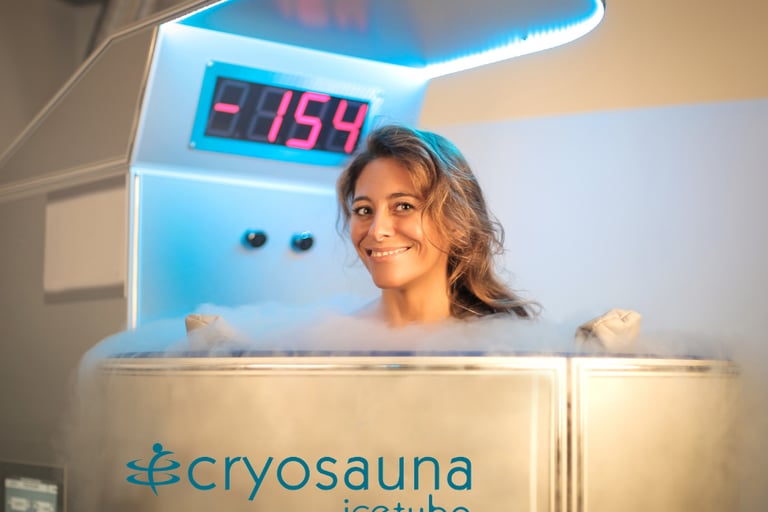
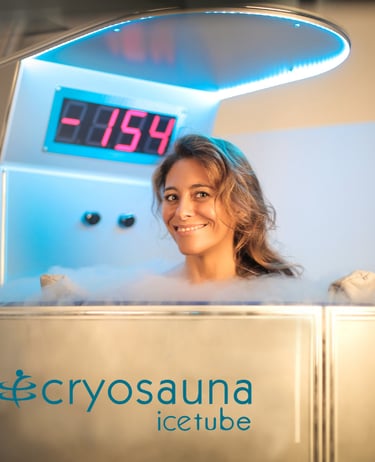
Additionally, some beauty spas, gyms and traditional wellness resorts are aggressively rebranding themselves as “longevity clinics or spas” without investing in medical-grade diagnostics and know-how and without proper knowledge of health and safety (for example there were several scandals linked to some cryotherapy chamber leaks of liquid nitrogen gas in the UK and France, leading to asphyxiation) (11) which risks diluting consumer and patient trust across the broader market.
Because of all these challenges, the longevity industry is stuck in an out-of-pocket bottleneck – because many procedures are classed as experimental or preventative (and healthcare insurance rarely reimburses prevention), there is a lack of insurance reimbursement, which heavily caps the addressable market size (12).
For every challenge an opportunity
Not all clinics are the same and some of the better informed and rigorous ones will be able to capitalise on a series of opportunities that do exist, because and despite of some of the challenges.
Probably the main opportunity is the potential for the more scientifically focussed clinics to generate large-scale, longitudinal datasets on human aging and to collaborate with academic institutions on geriatric and gerontologic research (12). Longevity clinics engage (or aim to engage) patients over long periods of time (if possible, over a lifetime) at a systemic health level, meaning they can capture a broad spectrum of health parameters across different therapeutic areas, including not just biological ones but also psychological, social and environmental parameters important in Gerontology.
As Longevity clinicians are legally allowed in many countries (e.g. Italy and Germany) to prescribe "off-label" to patients in front of them - after a while they can develop relevant observations and knowledge that can be shared in academic and scientific forums. It goes without saying that experimental off-label use should follow certain health and safety protocols, under medical supervision.
Another opportunity is for Longevity clinics to act as catalysts of scientific innovation in the medical and human aging fields – through their own mission and vision, these facilities act as early adopters of emerging diagnostics and interventions. Traditional medicine tackles diseases one at a time and innovation is slow. But Longevity science takes a different approach: what if some of those diseases share the same underlying driver? (13). If researchers are able to safely improve the health of aging cells, the benefits could ripple across multiple therapeutic areas and diseases - one reason investors show growing interest in longevity (13).
Private longevity clinics operate more quickly than academic or public hospitals and can offer patients access to tools and therapies well before they are adopted in hospitals. If the clinics engage in rigorous due diligence and selection processes of new technologies and suppliers, they can play an increasingly important role in the advancement of aging science, gerontology and geriatric medicine.
However adopting new technologies is expensive as is participating in research. In order for longevity clinics to be able to capture less affluent patient segments in order to scale-up, the governments may need to step in and offer incentives and subsidies. Also medical insurance companies could benefit from extending their coverage into the preventative medicine field and longevity. Chronic diseases in cardiology, metabolic or oncology, to cite just a few examples, cost insurers a lot of money in paid claims.
For example, although private health insurance functions as a top-up or alternative to the NHS in the UK (c. only 10 – 12% of patients use private medical insurance in the UK in 2025) total private medical insurance (PMI) payouts across individual and workplace schemes reached a record £4 billion annually according to the Association of British Insurers (ABI). In terms of specific claims, the largest distribution is in oncologic diseases in the UK (c. GBP 812m in paid claims per year in 2024), followed by cardiovascular diseases.
On the other hand in a country like Switzerland which utilizes a statutory, mandatory private health insurance model (LaMal/KVG), Swiss insurers carry the direct financial weight of almost all non-communicable diseases (NCDs) - non-infectious, long-duration medical conditions caused by genetics, environment and lifestyle. In Switzerland the most expensive category by claim payout were Musculoskeletal Diseases with c. CHF 4,96bn per year in 2021 (mandatory health insurance payouts), followed by mental health and substance use disorders with CHF 4,3bn, cardiovascular diseases with CHF 4,2bn and oncologic diseases with CHF 2,76bn over the same period (14, 15).
Therefore some more progressive insurers in Switzerland and Germany are more receptive to new longevity diagnostic technologies. For example Swiss insurers like CSS, Helsana, Sanitas have officially recognized and approved targeted reimbursement for specialized "Longevity Check-ups" at select Swiss facilities (such as the longevity technology clinic AYUN in Zurich).
The UK regulatory framework (Care Quality Commission) and traditional underwriting models make direct diagnostic reimbursement incredibly difficult. However some divisions of some UK insurers are currently evaluating how early stage multi-omics screening can be packaged into premium executive health benefits.
But the most profound shift toward reimbursement is happening at the reinsurance level (the massive institutions that insure the insurance companies themselves). Reinsurers like Swiss Re have established formal, clinical underwriting guidelines for longevity-extending drugs and interventions (specifically evaluating the long-term data of certain compounds) and Hannover Re’s UK branch has formed dedicated panels to evaluate how AI-driven diagnostics and metabolic health therapies will alter global life expectancy.
Some sources:
[we have over 100 sources of academic articles, research and data on this article - if you want to know more on this subject please contact us]
(2) https://www.frontiersin.org/journals/immunology/articles/10.3389/fimmu.2020.567710/full
(3) https://wmedtour.com/biohacking-longevity-clinics-europe/
(4) https://fortune.com/well/article/longevity-predictions-healthy-aging-industry/
(5) https://www.tandfonline.com/doi/full/10.1080/30653495.2025.2583907
(6) https://www.aamc.org/news/can-aging-be-slowed-some-academic-scientists-think-so
(8) https://health.ec.europa.eu/system/files/2017-04/stamp6_off_label_use_background_0.pdf
(12) https://pmc.ncbi.nlm.nih.gov/articles/PMC12606959/
(13) https://longevity.technology/news/no-limits-newlimit-lands-435m-ahead-of-human-trials/
(14) https://ind.obsan.admin.ch/en/indicator/monam/costs-of-ncds


Final considerations
Despite people's fascination with immortality, youthfulness and good-health for millennia, it wasn't until about a century ago that science advanced enough to enable us to properly research aging.
Longevity research and the Longevity clinic market is on the rise, with a fast increase in diagnostics, therapies and facilities across Europe, America, Asia and pretty much everywhere else, including Africa. The Longevity buzzword has caught on and in all developed cities and towns in Africa - from Cape Town, to Nairobi, to Casablanca there are a variety of longevity spas, clinics and experiences - including longevity safaris (although together Africa, Middle East and Latin America represent only about 8% of the Longevity market value in 2026). In Europe the UK, Switzerland and Germany seem to be the most advanced, although the trend is catching up in other countries too.
Europe is not the largest market for longevity clinics - but it is significant and in development. Among the many challenges the sector faces is a lack of standardisation, regulation and ability to scale and contribute to aging research and gerontology. This risks eroding patient trust and alienating this sub-sector even more from the actual public health, at a time when it would be beneficial for both longevity clinics and the wider population (think less affluent patients, not only the UHNW and HNW individuals). Since the market is booming, clinics that manage to enter early on and build trust and loyalty with their patient-consumers stand to ripe significant benefits long term, through longitudinal studies, data, know-how, research opportunities and reputation building - if they engage in a rigorous development process, with patient safety and ethical considerations front of mind. This can also help clinics convince private insurers (and perhaps public healthcare as well) of the relevance of their services and therapies and provide much needed funds through reimbursement of certain diagnostics and procedures. In fact some forward-looking insurers in the UK, Switzerland, Germany and other countries have started looking into longevity procedures and some are already offering reimbursement.
Despite strong transhumanist influences in current medical and scientific research, especially in North America - we need not forget that our minds and bodies are not machines, people are much more than a collection of cells and tissues and viewing death as a coding bug to be fixed (16) rather than a natural part of human existence can be deeply psychologically disturbing for many people, can lead to unhappiness, depression and devoid both individual and societal life of meaning. Disease is also an unavoidable reality for most people - living life completely disease free may be impossible (for way too many reasons outside individual control, including the environment, pollution etc.) and put unrealistic pressure on individuals - reasons why longevity science and clinics need to invest a great deal of effort in their communication strategies and also in education services for their patients and the wider public.
IGEA Healthcare
Strategic Advisory for Life Sciences
Switzerland, UK, Italy
contact@igeahealthcare.com
© 2025 - 2026. All rights reserved.